Who we are

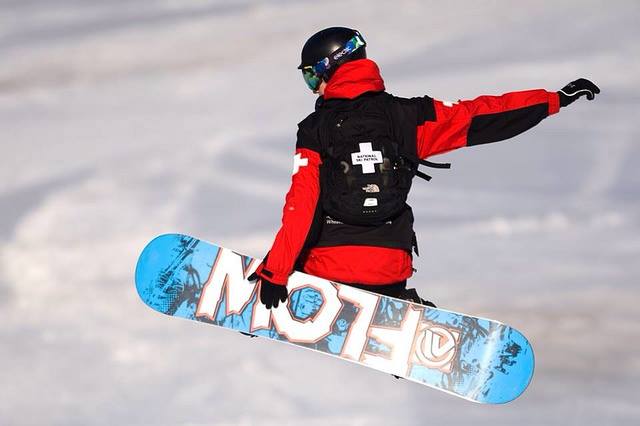
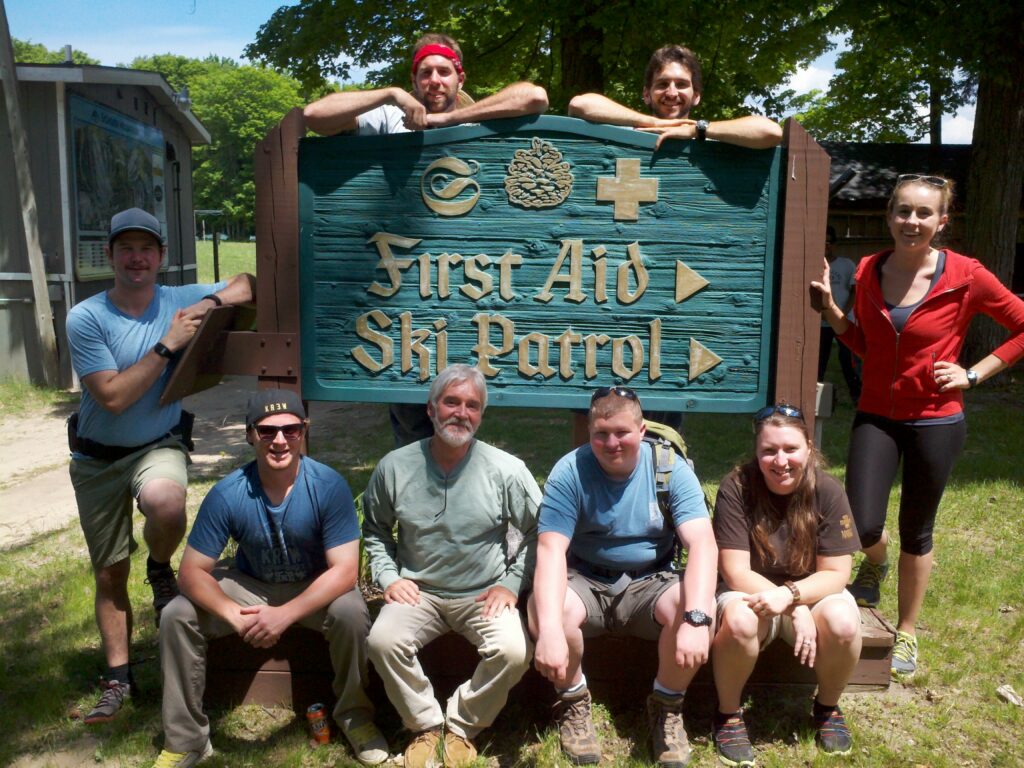
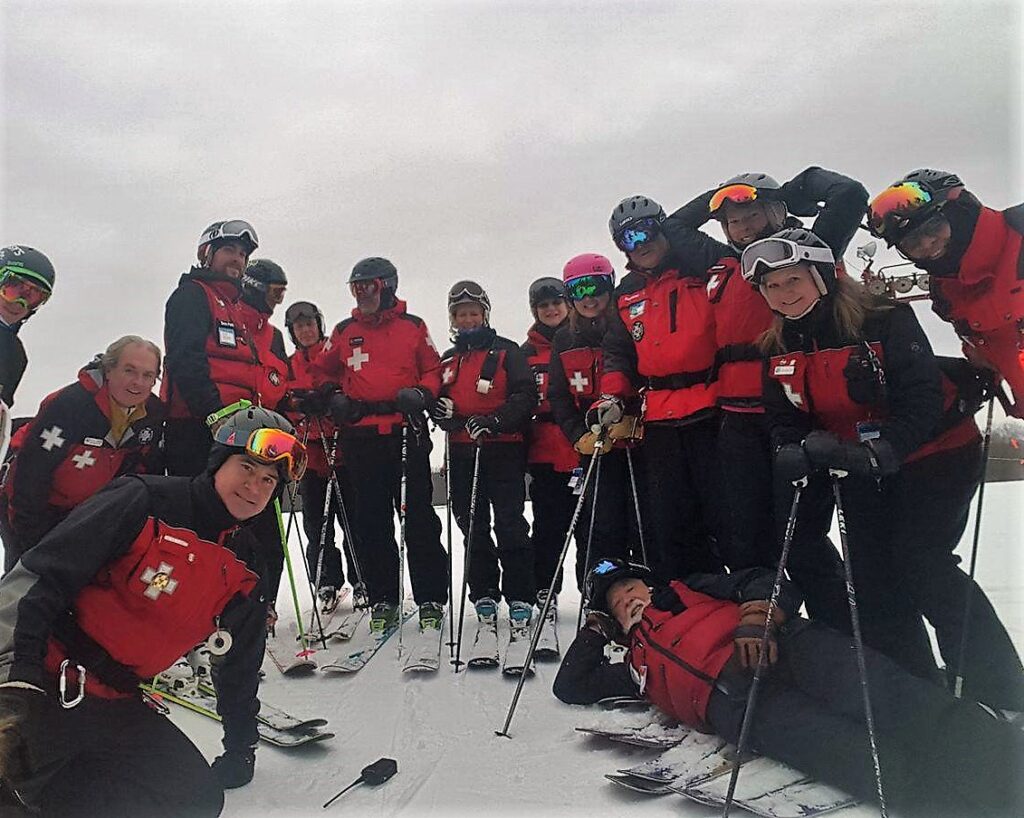
The Northern Michigan Region of the National Ski Patrol is one of the regions of NSP’s Central Division. Our volunteer and professional patrollers serve ten ski areas across northern Michigan, from Nub’s Nob and The Highlands near Harbor Springs to Mt. Holiday and Hickory Hills near Traverse City.

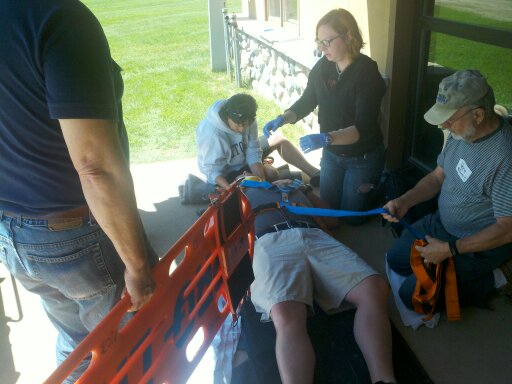
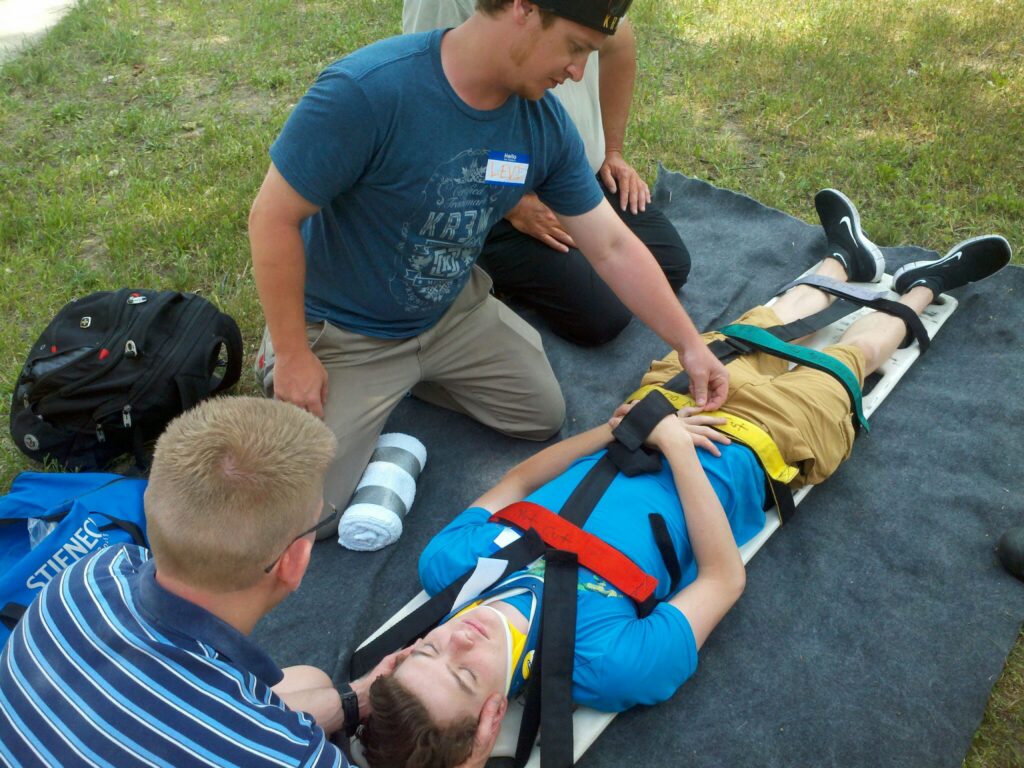
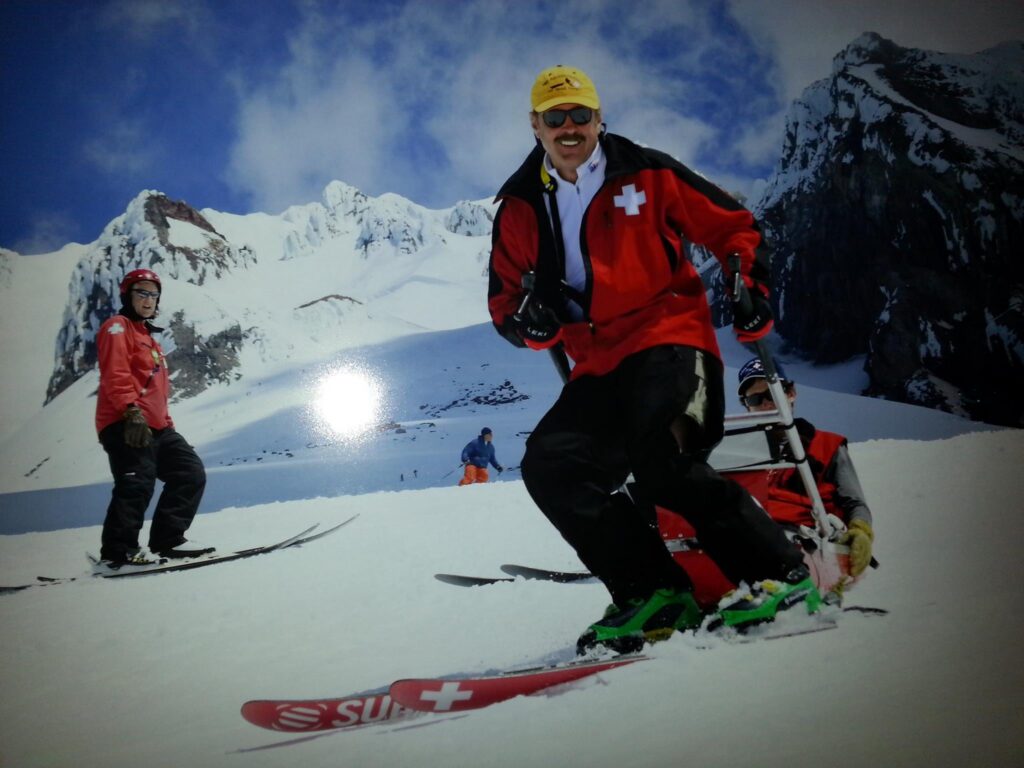
The region organizes the training that keeps those patrols ready: Outdoor Emergency Care courses and annual refreshers, toboggan and ski and snowboard enhancement seminars, instructor development, and the Senior and Certified programs for patrollers who want to go further.

About the National Ski Patrol

Charles “Minnie” Dole founded the National Ski Patrol in 1938 to bring organized first aid and rescue to the slopes. Congress chartered it in 1980. Today NSP has more than 30,000 members and supports hundreds of ski areas and outdoor recreation areas across the country.

NSP’s mission is to promote safety and service in outdoor recreation by educating, training and supporting the patrollers who help people enjoying mountains, trails and slopes. Its education programs set the standard for on-hill emergency care, including Outdoor Emergency Care (OEC), avalanche and mountain travel and rescue, toboggan handling, and risk management.

What a patroller does

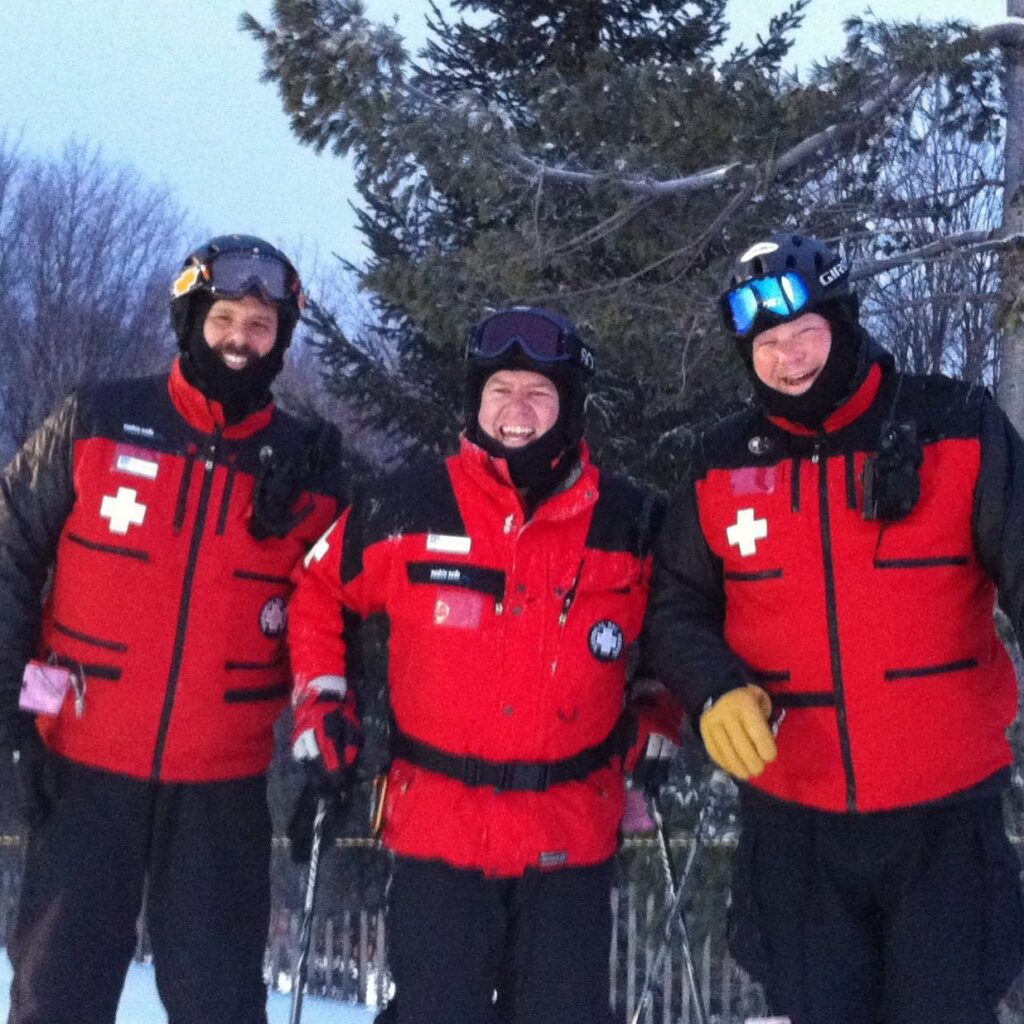
Patrollers are first on the hill and last off. A typical day includes:

  • Opening the hill: checking runs, signs, padding and equipment before guests arrive
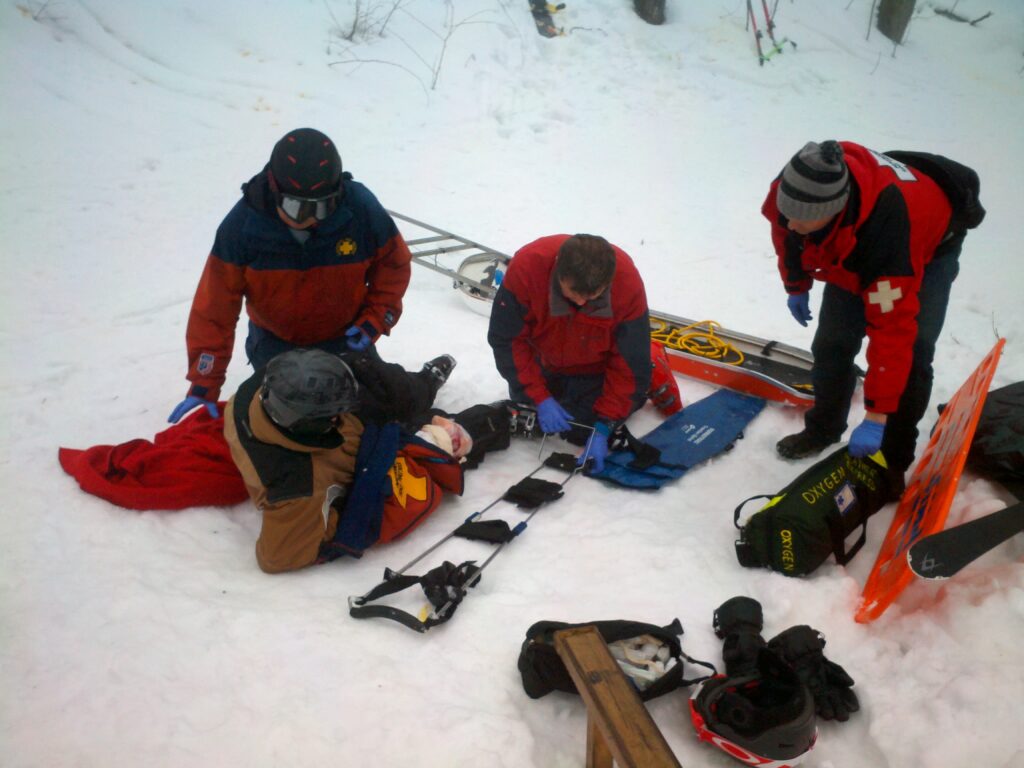
  • Responding to injured or ill guests, providing emergency care and toboggan transport
  • Helping guests with directions, safety questions and lift evacuations
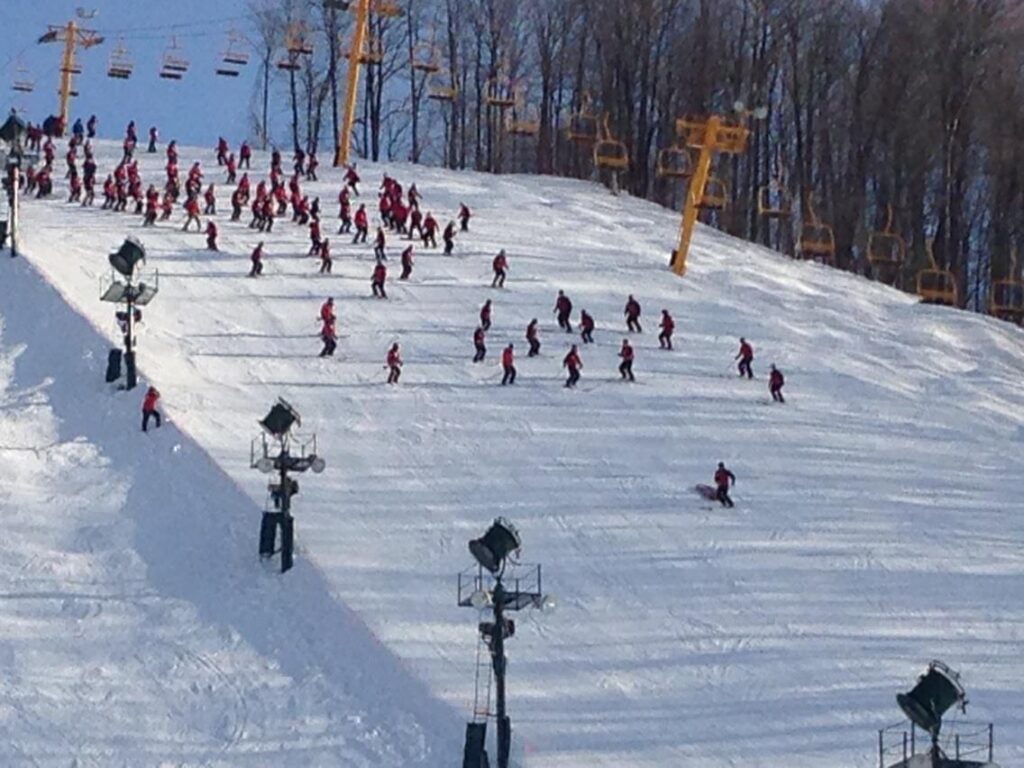
  • Sweeping every run at closing so no one is left on the mountain

How to become a patroller

Each patrol sets its own schedule and local requirements, so the first step is always a conversation with that patrol’s director.

  1. Talk to a patrol director. Pick the ski area you’d like to serve and contact its patrol director to confirm there’s room on the roster.
  2. Join NSP as a candidate. Create a free account on nsp.org, have your patrol add you to its roster, and pay your membership dues.
  3. Complete Outdoor Emergency Care. OEC is NSP’s emergency care course for patrollers, followed by an annual refresher. Our region runs OEC courses and refreshers every season.
  4. Get professional-rescuer CPR and ICS-100. CPR is renewed every year; ICS-100 is a short online incident command course.
  5. Finish on-hill training. Your patrol will train and evaluate your skiing or riding, toboggan handling and local procedures before you go on the hill as a patroller.

What we look for

  • A desire to help others and a love of snow sports
  • Strong, controlled skiing or snowboarding on all of your area’s terrain
  • Calm judgment under pressure and clear communication
  • Comfort working outdoors in all northern Michigan weather, including extreme cold
  • Reliability: willingness to volunteer on the schedule your patrol sets

Prior experience in EMS, nursing, medicine or the ski industry helps but is not required. OEC will teach you what you need to know.

Perks of patrolling

Benefits vary by patrol; your patrol director will explain what your area offers.

  • Nationally recognized emergency care training and credentials
  • Access to the NSP online store and NSP partner pro deals
  • Ski Patrol Magazine
  • Skiing privileges at your home area
  • A tight-knit community of people who show up for each other and for every guest on the hill

On the hill
Important events

October

sat24oct9:00 am4:00 pmNubs Nub Refresher

November

sun29novAll DaySenior Applications Due

December

tue01dec7:00 pm9:00 pmNMR Virtual Instructor Training Clinic

wed02dec7:00 pm9:00 pmSenior Instructor Calibration

wed02dec7:00 pm9:00 pmNMR Virtual Candidate Dry Land Clinic

sat05dec8:30 am4:00 pmRegion OEC Calibration Clinic

sun06dec8:00 am4:00 pmSenior OEC Clinic

fri11dec8:00 amCentral Division Snowsports Clinic

Slope safety

Ride safe. Ride another day.

Safety on the slopes is a team effort, and your part counts. NMR patrollers are trained to respond when something goes wrong; these two National Ski Areas Association programs help keep it from happening in the first place.

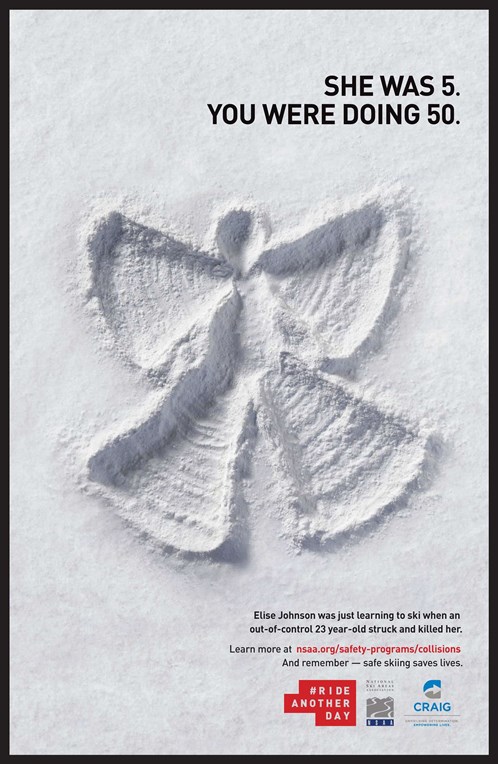
Ride Another Day poster: a snow angel in the snow with the words She was 5. You were doing 50.

#RideAnotherDay

On Christmas Eve 2010, five-year-old Elise Johnson was killed at Boyne Mountain, one of our own NMR ski areas, when an out-of-control snowboarder struck her and her mother. Her family partnered with the National Ski Areas Association to create Ride Another Day, a campaign to reduce on-mountain collisions through awareness, responsibility and common sense.

  • Be ready. Stay in control, able to stop or avoid people and objects at any time.
  • Stay alert. Watch the skiers and riders around you and changing conditions.
  • Plan ahead. Slow down at blind spots, look uphill when merging, and give others plenty of room when passing.

Think speed, space and self: match your speed to the crowd, give people downhill of you room, and take responsibility for your own safety and everyone around you.

Know the Code

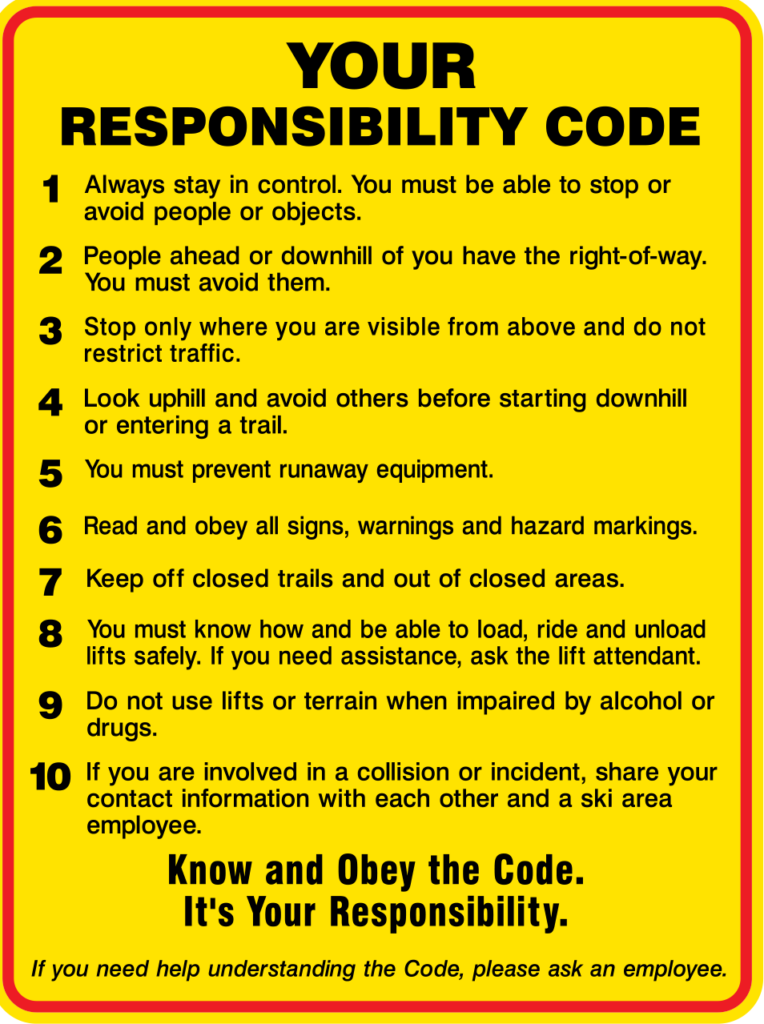
Every skier and rider at every ski area shares responsibility for safety. The Skier Responsibility Code, updated by the National Ski Areas Association in 2022, now has ten points:

  1. Always stay in control. You must be able to stop or avoid people or objects.
  2. People ahead or downhill of you have the right-of-way. You must avoid them.
  3. Stop only where you are visible from above and do not restrict traffic.
  4. Look uphill and avoid others before starting downhill or entering a trail.
  5. You must prevent runaway equipment.
  6. Read and obey all signs, warnings, and hazard markings.
  7. Keep off closed trails and out of closed areas.
  8. You must know how and be able to load, ride and unload lifts safely. If you need assistance, ask the lift attendant.
  9. Do not use lifts or terrain when impaired by alcohol or drugs.
  10. If you are involved in a collision or incident, share your contact information with each other and a ski area employee.

Know and obey the Code. It’s your responsibility.

Your Responsibility Code poster listing the ten points of the 2022 Skier Responsibility Code

More ways to stay safe

Chairlifts

Remove pole straps and secure loose items before loading. Sit all the way back, let everyone know before you lower the restraint bar, and use it every ride. Children sit in their own seat.

Terrain parks

Start small and build skills. Make a plan and scope features first. Always look for a clear landing. Respect features and other riders. Take it easy and know your limits.

Helmets, trees and deep snow

Helmets are strongly encouraged. They won’t prevent every injury, but they’re smart insurance. Ski trees and deep snow with a buddy, keep each other in sight, and regroup often.

See someone hurt? Stay with them, mark the spot by crossing skis or standing a snowboard upright uphill of them, and send someone to the nearest lift attendant or patroller.

Our patrols

Ten patrols, one region. Find your hill and meet the team.

Boyne Falls

Traverse City

Harbor Springs

Glen Arbor

Traverse City

Harbor Springs

Gaylord

Bellaire

Bellaire

Gaylord

Contact a patrol director →

Ready for the challenge?

First on, last off. Patrollers learn emergency care, rescue and toboggan skills, and spend their winters on the hill helping others. Talk to a patrol director to find out how your local patrol operates.